
Safe Payment Methods and Deposit Protection
How to protect yourself financially when renting. Understand safe payment options, deposit protection schemes, and what agreements to avoid to keep your money secure.

Why Payment Safety Matters in Rental Agreements
Money gets lost every day when renters don't know how to protect themselves. You're making one of the biggest decisions of your life — choosing where to live. And part of that means handing over your deposit and monthly payments to someone you might not know well. That's a vulnerable position. The good news? You can take control by understanding which payment methods are safe, how deposits should be handled, and what red flags should stop you in your tracks. We've seen too many people lose thousands because they didn't ask the right questions or used the wrong payment method. It doesn't have to be that way.
Understanding Safe Payment Methods
Not all payment methods offer the same protection. Some leave you completely exposed if something goes wrong. Others give you a clear paper trail and dispute resolution options. When you're transferring money for a deposit or monthly rent, the method matters as much as the amount.
Bank Transfers — Your Safest Option
Bank transfers are the gold standard. You get documentation, a reference number, and a clear record. Here's what makes them safe: you can see exactly where your money's going, the recipient's name appears on the transfer, and your bank keeps records for disputes. Always transfer to an account in the landlord's name — if it's someone else's account, that's a warning sign. Ask the landlord for their bank details in writing. Don't accept verbal instructions or hastily scribbled account numbers. Verify the account holder's identity independently before making any transfer.
Credit Card and Debit Card Payments
Cards offer built-in protection through your bank. You can dispute fraudulent charges and potentially get refunded. But here's the catch — some landlords won't accept cards because they have to pay processing fees. If a landlord insists on cash only and refuses cards, that's suspicious. Legitimate property managers handle multiple payment methods.
Methods to Avoid Completely
Cash has zero protection. Once it's gone, it's gone. No documentation, no dispute process, no recovery option. Money transfer apps without verification can be risky — anyone can set up an account, and reversal is complicated. Cryptocurrency? Don't. You'll regret it. If someone demands payment through unusual channels like gift cards, crypto, or overseas accounts, walk away immediately. That's textbook scam behavior.

How Deposits Should Actually Be Protected
Your deposit isn't just money — it's your insurance against landlord disputes. The problem is, many deposits get mishandled or disappear entirely. You need to know how they should be protected by law in your location.
Legal Deposit Schemes
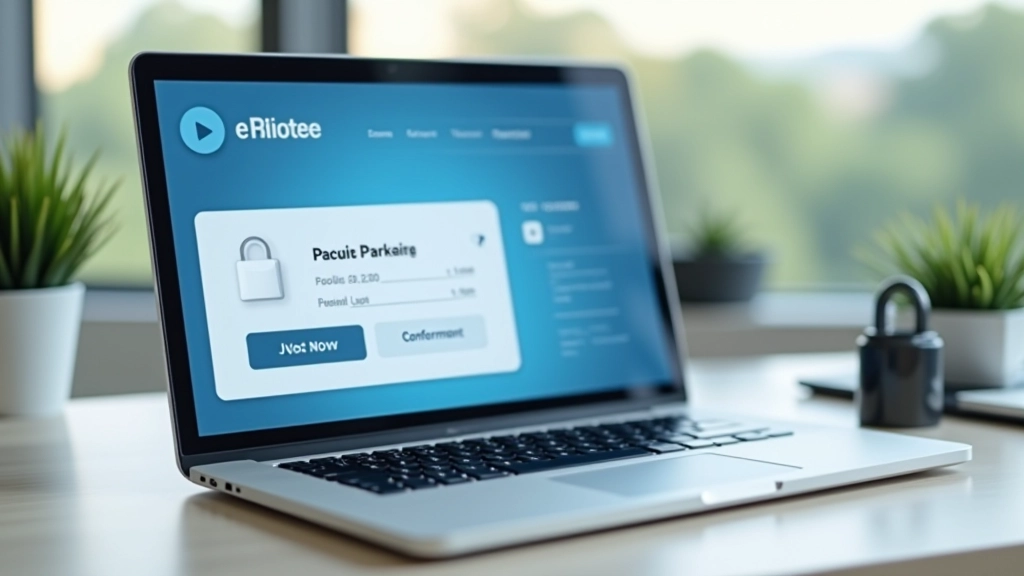
In many jurisdictions, deposits must be held in a protected scheme. This means an independent third party holds your money, not the landlord directly. The scheme acts as a neutral referee if there's a dispute about damage or unpaid rent. Before handing over your deposit, find out: Is there a mandatory deposit protection scheme where you're renting? What's the registration number? Can you access your own account to see your deposit balance? If your landlord can't answer these questions clearly, that's a problem.
What to Ask Before Paying
Get written confirmation that your deposit is protected. Don't settle for "it's safe" — ask for documentation. Request the scheme's name, the reference number, and how to access information about your deposit. A legitimate landlord will provide this without hesitation. They'll explain the terms: what happens if there's damage, how long you have to dispute deductions, and when you'll get your money back. If they seem annoyed by these questions or vague with answers, consider that a red flag.
Beware of Unprotected Deposits
Some landlords pocket deposits directly without protection schemes. This is risky because there's no neutral party if disputes arise. You're completely dependent on the landlord's honesty. If something gets damaged and they claim you caused it, you have limited recourse. They can simply refuse to return your money and make you take them to court — expensive and time-consuming. Always verify deposit protection before signing anything.
Payment Red Flags That Should Stop You
Certain payment requests are so suspicious that they should end the conversation. These aren't minor concerns — they're indicators of scams or extremely risky situations.
Cash Only, No Receipt
If someone demands all cash and refuses to provide any receipt or documentation, that's a scam waiting to happen. Legitimate landlords provide paperwork.
Payment to Third Party
The landlord wants you to pay a "property manager" or "agent" who isn't registered. Real agents are licensed and verifiable. Unknown middlemen are red flags.
Overseas Account Transfers
Being asked to transfer to an account outside your country? That's a major warning. It makes recovery nearly impossible if something goes wrong.
Deposit Held by Landlord Personally
Your deposit should be in a protected scheme, not the landlord's personal account. If they keep it themselves with no third-party protection, you're exposed.
Non-Refundable Deposits
Deposits are meant to be refundable. If someone says it's non-refundable or non-negotiable deductions are automatic, question that hard.
Pressure to Pay Before Viewing
Legitimate landlords let you see the property first. Asking for money before you've even visited? That's classic scam behavior.
Written Agreements Protect You
Everything needs to be in writing. Verbal agreements mean nothing when disputes arise. A proper rental agreement should clearly state payment terms, deposit amounts, when you'll get your money back, and what deductions are allowed. Don't sign anything you haven't read carefully. If something's unclear, ask questions and get clarification in writing. You're not being difficult — you're being smart. A legitimate landlord understands this and will work with you. They'll provide a clear, straightforward agreement. If they're evasive or want you to sign something vague, that's suspicious.
What Your Agreement Must Include
- Exact deposit amount and what it covers
- Monthly rent amount and payment due date
- Preferred payment method and account details
- Name and address of deposit protection scheme (if applicable)
- Timeline for deposit return after move-out
- What deductions are allowed and why
- How disputes about deposits will be resolved
- Both parties' signatures and dates

Your Step-by-Step Payment Safety Checklist
Before you hand over any money, work through this checklist. It'll take 30 minutes and could save you thousands.
1
Verify the Landlord's Identity
Check government records, confirm ownership documents, ask for ID. Don't proceed with someone you can't verify.
2
Get the Rental Agreement in Writing
Request a complete agreement before any payment. Review it carefully. Don't accept verbal-only arrangements.
3
Confirm Deposit Protection Scheme Details
Ask for the scheme name, registration number, and proof of protection. Request access to your own account.
4
Choose Bank Transfer as Your Payment Method
Only use bank transfers. Get the account holder's name in writing. Verify it matches the landlord's name.
5
Document Everything
Keep receipts, agreement copies, transfer confirmations, and all communications. Store them securely.
6
Take Photos of the Property
Document the property's condition when you move in. This protects you from false damage claims later.
Taking Control of Your Financial Safety
Protecting your money when renting comes down to asking the right questions and using the right methods. Bank transfers instead of cash. Written agreements instead of handshakes. Verified deposit schemes instead of trust. These aren't paranoid moves — they're smart practices that legitimate landlords expect and respect.
You're about to commit months or years to a property and hand over significant money. You deserve clarity and protection. Don't rush the process. Don't skip the verification steps. Don't accept vague answers. If a landlord won't provide clear information about payments and deposits, that tells you everything you need to know. Walk away and find someone else. There are plenty of legitimate properties managed by honest landlords. Your job is finding them by asking the right questions from the start.
Want more guidance on spotting rental scams? Check out our other resources on verifying landlords and inspecting properties.
Learn How to Verify Landlord IdentityDisclaimer
This article provides educational information about rental payment practices and deposit protection. It's not legal advice, and rental laws vary significantly by location. Before making any decisions about deposits or payments, research the specific regulations in your jurisdiction and consider consulting with a local tenant rights organization or legal professional. The information here is intended to help you ask better questions and understand common practices — not to replace professional guidance specific to your situation.

Related Articles